Water rarely gets the same attention as food, yet it quietly affects nearly every system in a dog’s body. According to veterinary hydration research, even mild dehydration in dogs can reduce energy levels, affect digestion, and strain joints and organs long before obvious symptoms appear. That raises an important question for owners.
How much water does a dog actually need each day, and how do you know when intake is truly adequate?
Size, diet, age, activity level, and even weather all play a role. Many dogs drink too little without showing immediate signs, which makes hydration one of the most overlooked aspects of daily care.
Understanding simple, realistic guidelines can help owners support long term health without overthinking every bowl refill.
Table of Contents
Why Daily Hydration Matters More Than Most Owners Realize
Water is involved in almost every physiological process in a dog’s body. It regulates temperature, supports digestion, cushions joints, and helps transport nutrients to cells. When water intake is consistently low, these systems do not stop working, but they do start working less efficiently.
Hydration plays a subtle but important role in mobility and comfort. Well hydrated tissues remain elastic, including cartilage and connective structures that protect joints during movement. This is why hydration is often discussed alongside dog joint care, especially for active dogs and aging companions who rely on joint support to stay comfortable during daily walks and play.
Beyond movement, proper hydration supports kidney function and helps flush waste products from the body. Dogs that do not drink enough water over time may place unnecessary strain on their urinary system, even if they appear healthy on the surface. Hydration is not just about quenching thirst, it is about maintaining balance throughout the body every single day.
General Daily Water Intake Guidelines for Dogs
While individual needs vary, veterinarians often use a simple baseline to estimate daily water intake. A healthy dog typically needs about 1 ounce of water per pound of body weight per day. This includes water consumed from bowls as well as moisture from food.
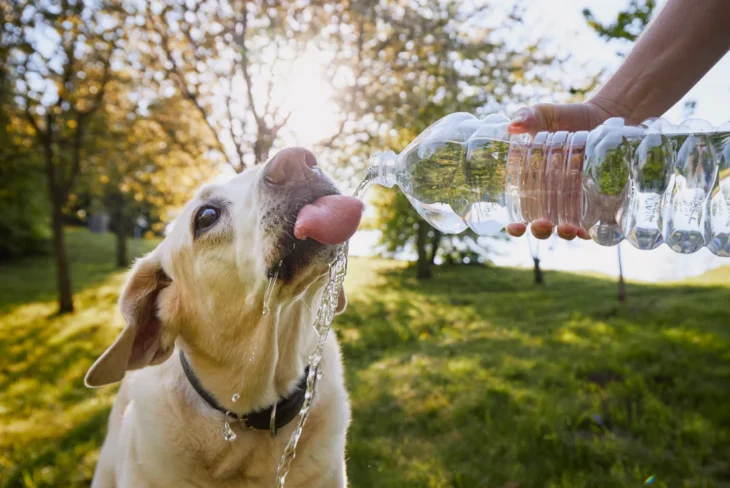
Here is a simple reference to visualize that guideline:
[su_table responsive=”yes”]
|
Dog Weight |
Approximate Daily Water Intake |
| 10 lbs | 10 oz |
| 25 lbs | 25 oz |
| 50 lbs | 50 oz |
| 75 lbs | 75 oz |
[/su_table]
This table provides a starting point, not a strict rule. Some dogs naturally drink more, especially during warm weather or periods of increased activity. Others drink slightly less but compensate through moisture rich diets.
After estimating intake, the most important step is observation. Is your dog’s urine pale yellow? Is energy steady throughout the day? Are gums moist rather than dry or tacky? Numbers help, but daily behavior tells the real story.
Factors That Change How Much Water a Dog Needs
Daily water intake for dogs shifts constantly based on lifestyle and environment. Activity level is one of the biggest influences. Dogs that run, hike, train, or play intensively lose water through panting and need more frequent refills.
Diet also plays a significant role. Dogs eating dry kibble rely more heavily on drinking water, while those consuming wet or fresh food receive a portion of their hydration directly from meals. Climate matters too. Warm temperatures, dry air, and heated indoor environments can all increase fluid loss without owners noticing.
Age and health status further affect hydration needs. Puppies require steady access to water for growth, while senior dogs may need encouragement to drink due to reduced thirst signals. Certain medications and health conditions can also increase water requirements.
Rather than chasing a perfect number, it helps to think in patterns. Notice when intake rises or drops, and adjust access accordingly. Hydration is dynamic, not fixed.
Signs Your Dog May Not Be Drinking Enough Water
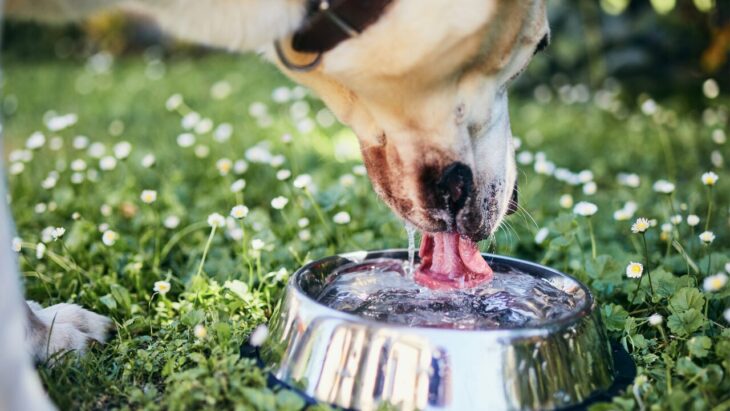
Dogs rarely announce dehydration in obvious ways at first. Early signs are subtle and easy to overlook, especially in calm or older dogs. Recognizing these signals early can prevent more serious issues from developing.
Common signs of low water intake include:
- Dry or sticky gums when you gently lift the lip
- Dark yellow urine or reduced urination frequency
- Lethargy or reduced interest in play
- Slight loss of skin elasticity when gently pinched at the shoulder
- Increased panting even without heavy activity
These signs do not always mean a medical emergency, but they do signal a need to increase hydration. In hot weather or after exercise, mild dehydration can happen quickly. Prompt access to fresh water usually resolves it, but repeated patterns should be discussed with a veterinarian.
Hydration awareness is about noticing small changes before they become big problems.
Dogs Regulate Heat Almost Entirely Through Water Loss
Unlike humans, dogs do not sweat through their skin. Their primary cooling mechanism is panting, which relies on evaporation from the respiratory tract. This process uses significant amounts of water.
During warm weather or intense activity, a dog can lose water rapidly without visibly sweating. This makes dehydration harder to spot until it is already developing. Adequate water intake is directly tied to temperature regulation and overall comfort.
This is why dogs may drink more after even moderate exertion on a warm day. It is not overdrinking, it is biological necessity. Providing water before a dog appears thirsty can prevent overheating and fatigue.
Understanding this simple fact helps owners anticipate needs rather than react to problems after they appear.
Common Mistakes Owners Make With Dog Hydration
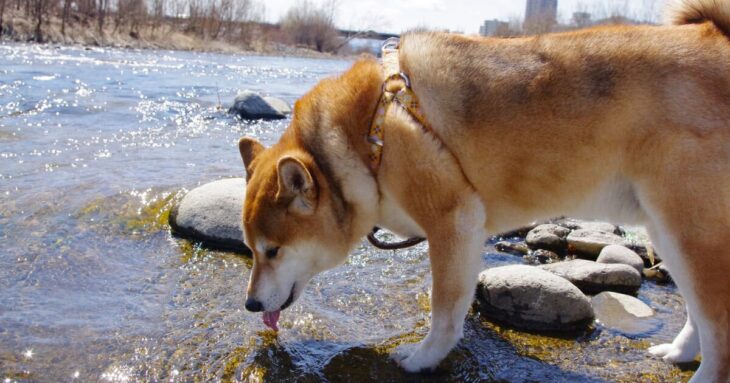
Many hydration issues stem from well-intentioned but incomplete habits. One common mistake is assuming that a full bowl in the morning covers the entire day. Water becomes stale, warm, or inaccessible if the dog changes locations.
Another mistake is restricting water to prevent accidents in puppies or seniors. While management is important, limiting water for long periods can create dehydration patterns that affect health.
Some owners also misinterpret increased drinking as always being a problem. While sudden excessive thirst should be evaluated, moderate increases during heat or activity are normal and healthy.
Hydration works best when viewed as part of daily care, not a single task to check off. Small adjustments often have the biggest impact.