
When you bring a dog or cat into your home, you hope for years of love, companionship, and fun. But along with the joy of pet ownership comes responsibility, and one of the most important parts of being a responsible pet parent is understanding your pet’s health risks. While any pet can face unexpected health issues, certain breeds are more likely to develop specific conditions due to genetics, body structure, or selective breeding.
By knowing these risks in advance, you can take steps to keep your furry friend healthier and happier for years to come. Let’s break down some of the most common breed-specific health concerns in both dogs and cats and what you, as a pet owner, should keep in mind.
Table of Contents
Why Breed-Specific Health Issues Exist
Selective breeding has shaped pets into the unique breeds we know today. From the flat-faced Bulldog to the long-haired Persian cat, these traits often come with health trade-offs. For example, shorter muzzles can make breathing more difficult, while long backs or heavy builds may increase joint problems.
This doesn’t mean you should avoid a particular breed, but it does mean you need to be aware of potential risks so you can watch for early signs, provide preventive care, and work with your veterinarian to manage health proactively.
Common Health Risks in Dog Breeds

Bulldogs, Pugs, and Other Flat-Faced Breeds ─ Breathing Issues
Dogs like Bulldogs, Pugs, Boston Terriers, and Shih Tzus are known for their adorable squished faces. Unfortunately, that same feature can lead to brachycephalic airway syndrome, which makes breathing harder. These dogs may snore loudly, struggle in hot weather, or tire easily after exercise.
What to do: Keep them cool, avoid strenuous activity, and maintain a healthy weight. Regular vet checkups are a must, and in some cases, surgery can help open their airways.
German Shepherds and Labradors ─ Joint Problems
Large breeds such as German Shepherds, Golden Retrievers, and Labradors often face hip or elbow dysplasia, conditions where the joints don’t fit together properly. This can lead to arthritis and mobility issues, especially as they age.
What to do: Provide a balanced diet to avoid excess weight, encourage low-impact exercise like swimming, and ask your vet about joint supplements or X-rays to catch issues early.

Dachshunds ─ Back and Spine Concerns
Dachshunds’ long backs and short legs make them prone to intervertebral disc disease (IVDD), a painful condition that can cause partial paralysis if not treated promptly.
What to do: Minimize activities that strain the spine, such as jumping off furniture. Supportive harnesses instead of collars are recommended to protect their back.
Boxers ─ Heart and Cancer Risks
Boxers are lovable, active dogs, but they’re more likely to face heart disease such as cardiomyopathy, as well as certain cancers like lymphoma and mast cell tumors.
What to do: Routine vet visits and screenings are crucial. Keep an eye on unusual lumps, coughing, or fainting spells, and address changes immediately with your vet.

Cocker Spaniels ─ Ear Infections
With their floppy ears, Cocker Spaniels are prone to chronic ear infections, which can be painful and lead to hearing problems if untreated.
What to do: Regularly clean and dry their ears, especially after swimming or baths, and watch for signs like head shaking, odor, or redness.
Toy Breeds (Yorkies, Chihuahuas) ─ Dental Problems
Small breeds often deal with dental disease, partly because their small mouths crowd their teeth together.
What to do: Brush their teeth regularly, provide dental chews, and schedule professional cleanings when recommended.
Common Health Risks in Cat Breeds
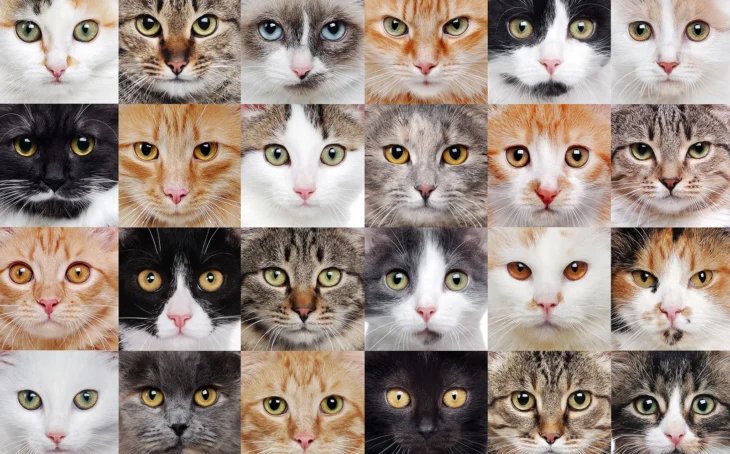
Persians and Exotic Shorthairs ─ Eye and Dental Issues
Flat-faced cats like Persians and Exotic Shorthairs can suffer from dental crowding and chronic eye issues because of their skull shape. Tear staining, infections, and breathing challenges are also common.
What to do: Gently clean around their eyes daily, schedule dental checkups, and be mindful of any breathing noises or eating difficulties.
Siamese Cats ─ Respiratory and Dental Concerns
Siamese cats are striking and vocal, but they can face respiratory problems, crossed eyes, and dental disease. They’re also slightly more prone to certain cancers.
What to do: Monitor their breathing, provide regular dental care, and take them to the vet for yearly screenings.
Maine Coons ─ Heart Disease
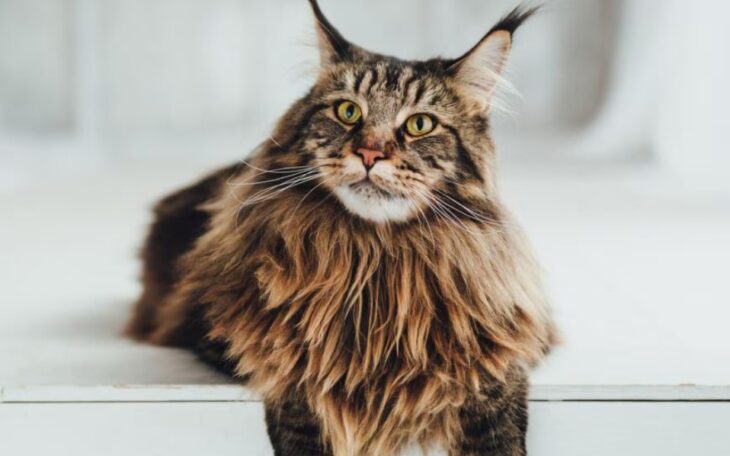
Maine Coons, one of the largest cat breeds, are at risk of hypertrophic cardiomyopathy (HCM), a genetic heart condition that thickens the heart muscle and can lead to sudden heart failure.
What to do: Ask your vet about heart screenings, especially if your Maine Coon comes from a breeder. Watch for signs like rapid breathing, fatigue, or fainting.
Abyssinians ─ Kidney and Blood Disorders
Abyssinians are playful and athletic cats, but they can be prone to renal amyloidosis, a condition where protein builds up in the kidneys, as well as hereditary anemia.
What to do: Keep up with bloodwork and kidney checks during vet visits, and feed a kidney-friendly diet if recommended.
Bengals ─ Digestive Issues
Bengal cats are known for their wild appearance and energy. However, some may experience sensitive stomachs and chronic digestive upset.
What to do: Feed a high-quality, easily digestible diet and consult your vet if vomiting or diarrhea becomes frequent.
Ragdolls ─ Urinary Tract Problems
Ragdolls are gentle giants but may face urinary tract issues, including bladder stones and infections.
What to do: Provide plenty of fresh water, use a clean litter box, and encourage a moisture-rich diet through wet food.

How to Stay Ahead of Breed-Specific Health Risks
While knowing about these health risks might feel overwhelming, the goal is to empower you, not scare you. The good news is that awareness allows for prevention and early treatment, both of which can make a huge difference in your pet’s quality of life.
Here are some proactive steps you can take:
- Do your research before adopting. Understand the common health issues for the breed you are considering.
- Work with a trusted veterinarian. Routine exams and preventive screenings are key to catching problems early.
- Maintain a healthy lifestyle. Proper diet, exercise, and weight management go a long way toward preventing issues.
- Watch for changes. Pay attention to shifts in behavior, eating, breathing, or mobility. Even small changes may be early warning signs.
- Get pet insurance. Certain breeds may require more vet visits and specialized treatments. Insurance can help ease financial stress.
Final Thoughts
Every dog and cat, no matter the breed, deserves love and proper care. While some pets may be genetically predisposed to certain health risks, it doesn’t mean they won’t live long, happy lives. As an owner, your job is to stay informed, be proactive, and work closely with your veterinarian to give your furry companion the healthiest life possible.
Think of breed-specific health awareness not as a burden but as a guidebook. The more you know, the better equipped you are to catch issues early, prevent unnecessary suffering, and enjoy every moment with your four-legged family member.
